The long weeks without running over the last few months caused me to reflect a lot. Not just on running and the absence of it, but also on why I am so committed to certain types of running, with a particular inclination towards trail and hill running. Even more specifically, why I find some of my best running experiences in more remote and wild places, far from other people.
If you have read any of my other content, it is abundantly clear that I enjoy solitude and I don’t think I need to labour that too much here. However, it is important to dwell on it briefly as it is perhaps more important than I myself sometimes realise.
Combined with injury frustration, the time away from running in the last couple of months caused me to more seriously consider what kind of activity I might transition to if I could no longer run. I don’t intend to elaborate on those thoughts here but don’t worry, it will NEVER be cycling!
I most enjoy running in the hills and mountains so it might seem natural that I would gravitate to hill walking. However, what I found during my recent period of recovery was that even though I have been able to walk for many weeks, I have had no desire to visit or climb hills. This has troubled me a little, but I think I have come to terms with it. With some disappointment, I am forced to concede that I am just not a true orophile. Whilst I very much enjoy wilder, mountain landscapes, I only want to go to hills or mountains if I can run there.
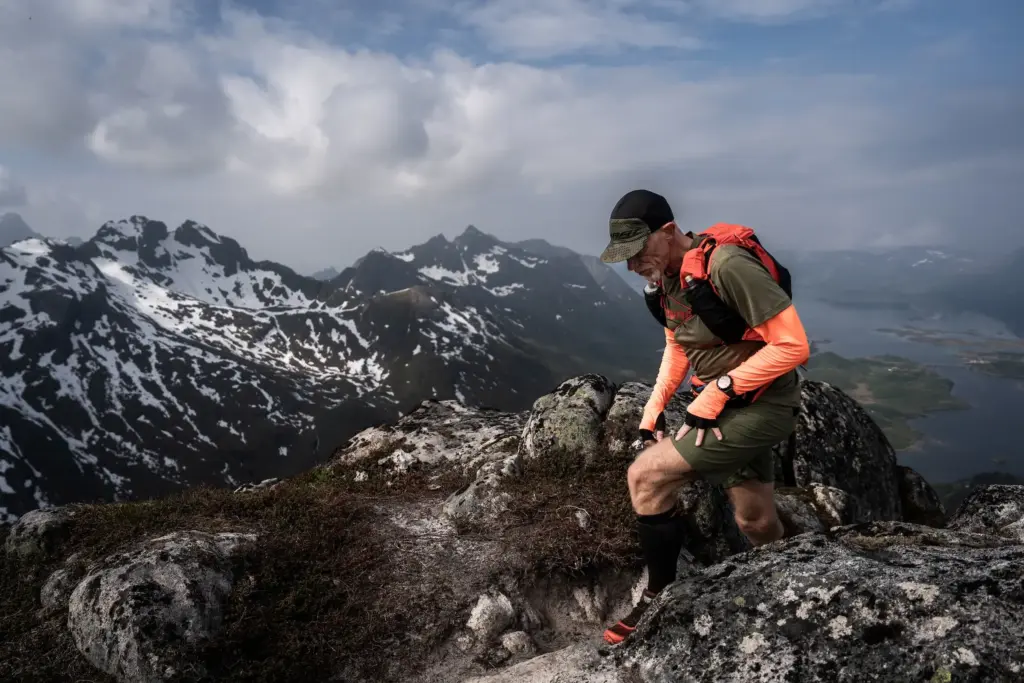
I do watch a range of outdoor channels on YouTube and I regularly view content by Murray Wilkie of the Scotlands Mountains channel. I not only admire his considered, more introverted style and first-class videography, but I also appreciate that he has resisted the temptation to advertise or to accept sponsorship for his channel. Most of all though, I admire his pure passion for the hills and mountains of Scotland.
Probably my favourite YouTube channel is Foresty Forest, created by Canadian outdoorsman and vanlifer, Simon Lamberts. His modest and authentic approach to outdoor living, outstanding videography and refusal to advertise or produce sponsored content are all hugely appealing to me. He is also another introvert with that same pure passion for the mountains and wild places.
It is that pure passion that I lack, except when I am running.
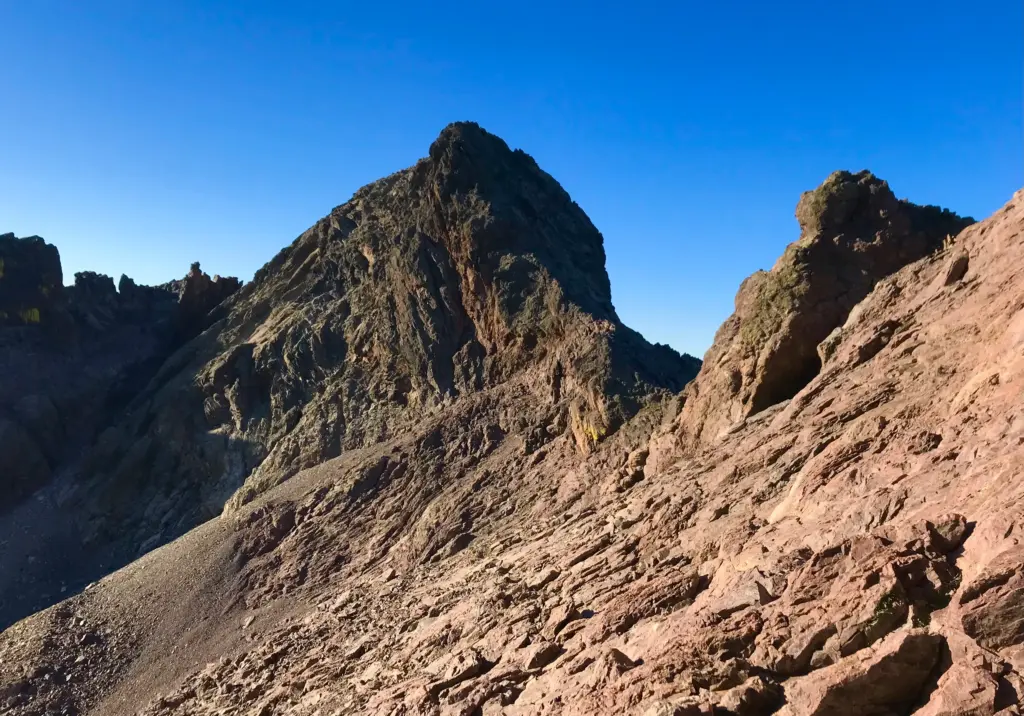
Anyway, I am drifting slightly off topic. However, there is no denying that I do genuinely love running in the outdoors and if I could, I would keep all of the remote and wild places for myself. I didn’t realise how strongly I felt about this until some time after I completed the BTU Mountain Ultra in Kyrgyzstan in 2024. There were many superb aspects to this race, and the scenery was in many places quite spectacular, making for a memorable experience. I also did relatively well in the race, which always helps!
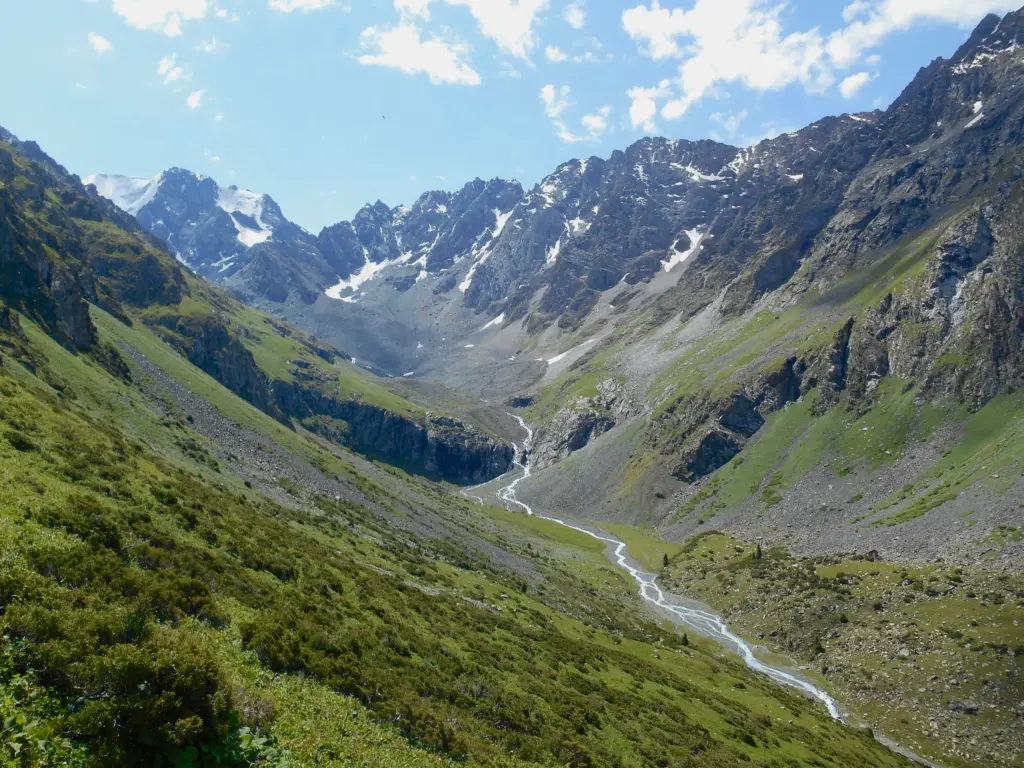
However, after leaving Kyrgyzstan, I couldn’t work out why there was something about the experience that didn’t quite meet my expectations or hopes. It took me some time, but I eventually worked it out. The race promised a truly wild experience in a very remote place. Not quite untouched, but not far from it. However, I just didn’t find that to be as compelling in reality as had seemed so alluring in the race marketing blurb.
Now, don’t misunderstand. The route through the Tien Shan was everything the race had promised, in terms of scenery and the sheer beauty of the natural environment. I still go back to my photos time and time again. The problem was that it lacked the feeling of real remoteness as there were simply too many people.
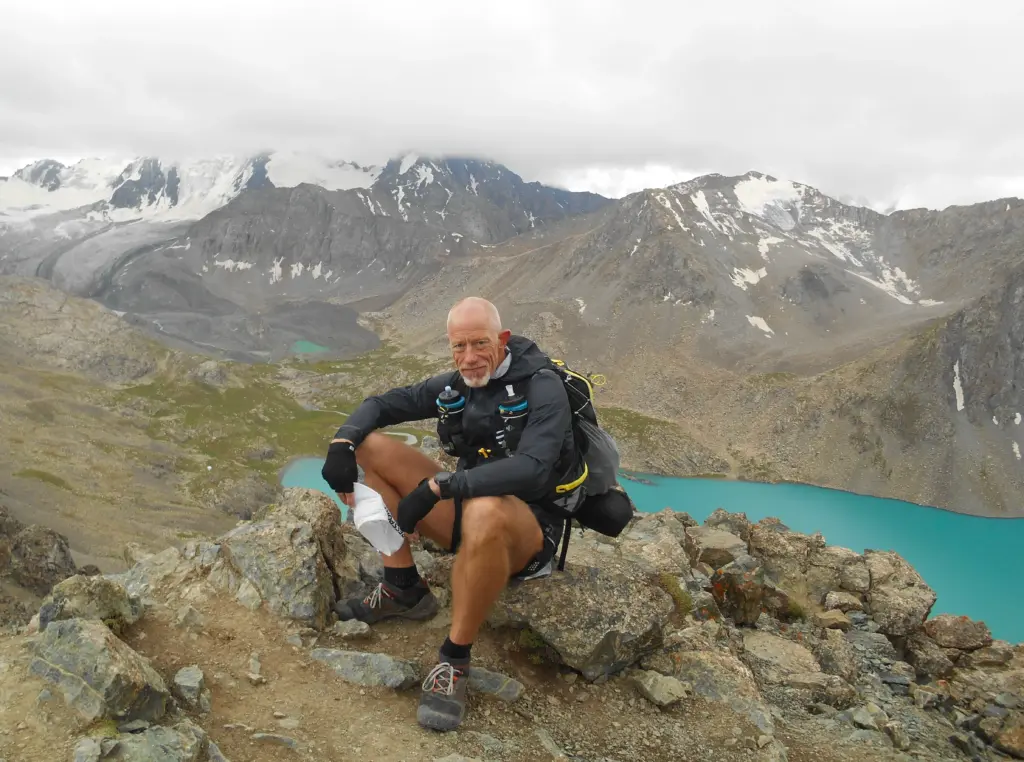
That said, I am still very glad that I went when I did as I believe that the Tien Shan in Kyrgyzstan was already on the brink of what I would assess to be over-tourism. In the last two years, it has appeared continually on YouTube feeds, social media and even mainstream travel media and that only leads to one thing. Too many visitors.
Having said that, I am sure that just about everyone else in the race would disagree, but these are my thoughts on my experience. I think I just have different hopes or expectations to most. My own conclusions are that even the most remote and stunning landscapes on earth can be and are being diminished by the presence of too many people.
Now, at any time from this point on, many readers will want to shout me down. The outdoors are for all, some might say. We should be increasing accessibility to the outdoors, others might add. Some might even accuse me of selfishness to want many of these places for myself. In general terms, I wouldn’t disagree with any of those sentiments, but I have seen a number of things in recent months that have caused me to ask some hard questions.
Are we ruining the outdoors?
I am not talking about the big-ticket problems like climate change, excessive consumerism, waste, exploitation of natural resources, poor land management etc. I am talking about the impacts of too many people using the outdoors for leisure, fitness and tourism. Could it be that the great outdoors just aren’t so great anymore?
There are a number of things in recent months that have brought this constantly into focus, hence the drive to write something on the subject.
Social media – a blessing and a curse
The meteoric rise of social media use in the last couple of decades has not only brought every corner of the globe into the general consciousness but has persuaded many that these places are not only within their reach but that they should join the rush to visit them.
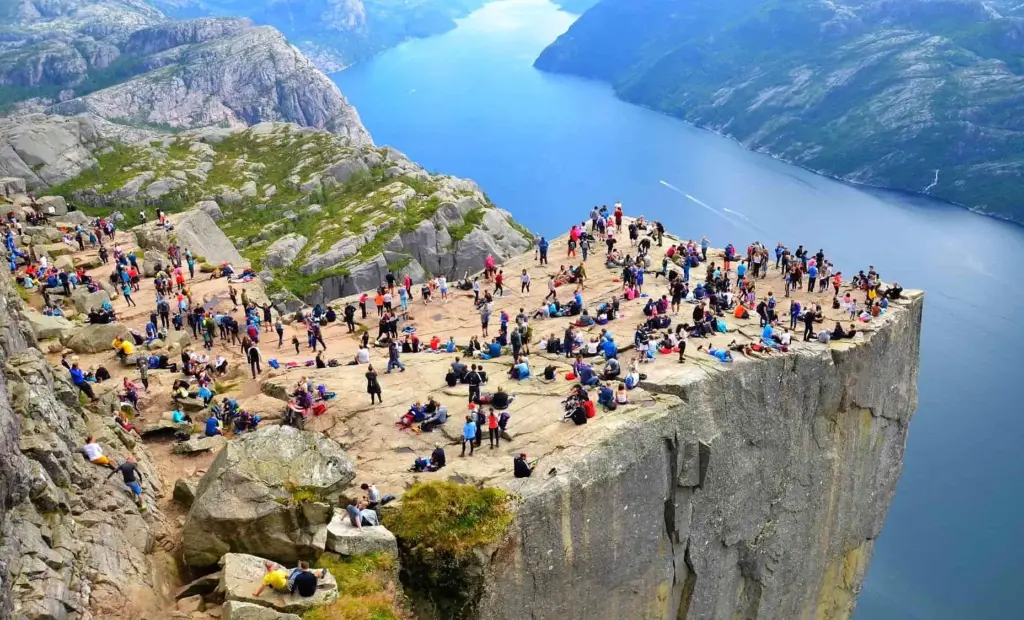
Now, I am fully aware that social media brings huge benefits in a number of areas. After all, I am writing here on an online platform of my own, albeit not at the cutting edge of current trends. I am not present on many other platforms, but I will be the first to admit that I am grateful that I can vicariously enjoy many great places around the world through the content of others. I also appreciate that the same is perhaps even more true for those who for various reasons, cannot travel or embark on adventures of their own.
However, I fear that social media has also created a downward spiral of one-upmanship whereby every content creator or influencer seeks to outdo the other with the most spectacular photo, video or the newest location ‘discovery’. The affordability and portability of drones is a further factor in advancing this phenomenon, as are both the travel influencer and van life lifestyle trends. It is abundantly clear that it is entirely possible to sustain a lifestyle from travel blogging/vlogging, especially if you are prepared to sell your soul to advertising and sponsored content.
Literacy no longer seems to be much of a requirement or obstacle either. Poor spelling and grammar, non-existent punctuation and the proliferation of inane human and AI narrative seem to be widely accepted if not the norm. In the worst cases, they are almost flaunted as badges of honour.
In the realm of UK hill walking social media, it is no longer enough to wax lyrical about ‘bagging’ Munros or Wainwrights etc. Now, you have to “smash” them in order to make yourself seen or heard. If even that fails, wave a flag or do a handstand at the summit. That’ll do it.
Social media is all too often dominated by a brashness and confidence that one would normally assume would be backed by knowledge and intelligence. Now it seems we must endure a pandemic of main character syndrome instead. You just need to have the self-belief and will to produce content and if anyone has anything to say about it, just shout them down as haters.
Those I do respect such as Murray Wilkie, Simon Lamberts and others of their ilk are generating revenue from social media, but by letting the subject matter (nature) be the star of the show. They respect, indeed almost revere the wild places they frequent, and their manner encourages that respect in others.
Mainstream media follows the social media trends, and I think the thing that riles me most are the media pieces that reveal the next “hidden gem” of a location. This is usually a location that there may be merit in visiting right now, but not in 12-24 months’ time because media over-exposure will already have ruined it. This is what I was previously referring to in respect of Kyrgyzstan, although neighbours like Uzbekistan and Tajikistan will go the same way too. How many had even heard of the Tien Shan or the Fann Mountains five years ago? Now, everyone is ‘discovering’ them as if they were Vasco Da Gama reaching India for the first time.
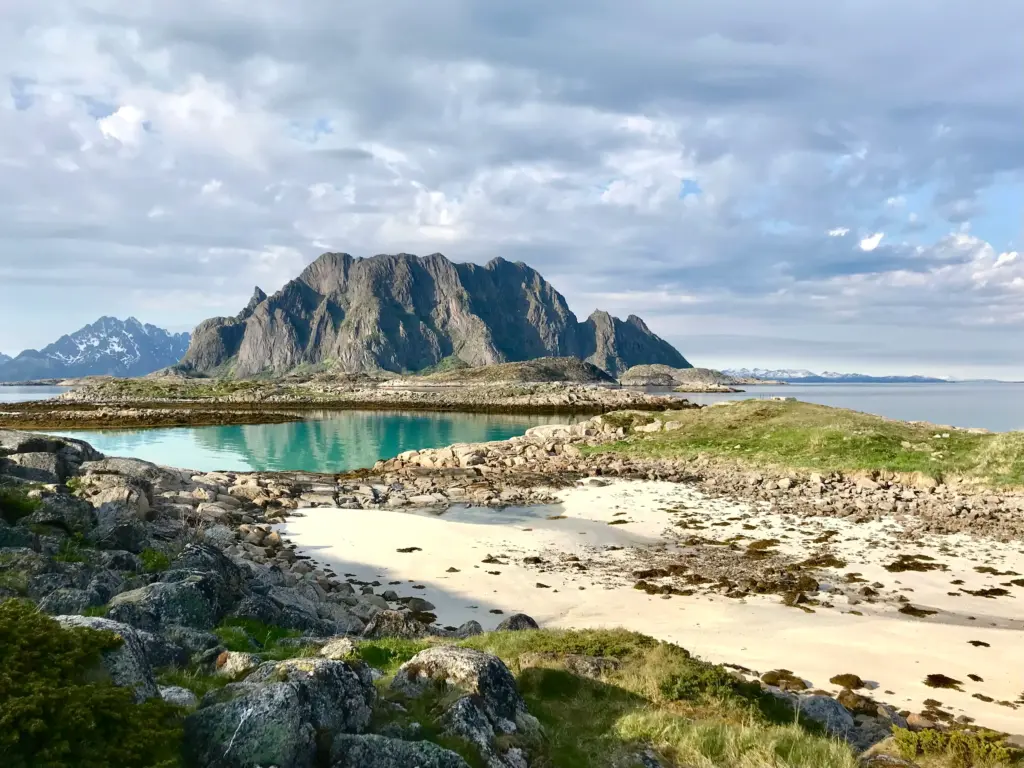
Marvellous places like the Lofoten islands in Norway have already experienced the pain and are trying to manage the consequences and make tourism sustainable going forward. Other places are on the brink, due to recent over-hyping in the media. Slovenia, Albania, Montenegro, Georgia are all good examples. Other great places are now so heavily impacted by tourism that I would never consider visiting, even if you paid me. The most obvious are places like Machu Picchu, Angkor Wat etc. I assess that the great Nepal treks, including Everest Base Camp are quickly heading the same way. From a running perspective, I would include routes like the Tour de Mont Blanc.
I am from Scotland and there is no better example than the North Coast 500 (NC500). The creation of this circular driving route around the north of Scotland has had a dramatic, if polarising effect on the local area. It has massively increased visitor numbers and boosted aspects of the local economy. There can be no argument that huge numbers of people have experienced the fantastic scenery of some of the best parts of Scotland as a consequence.
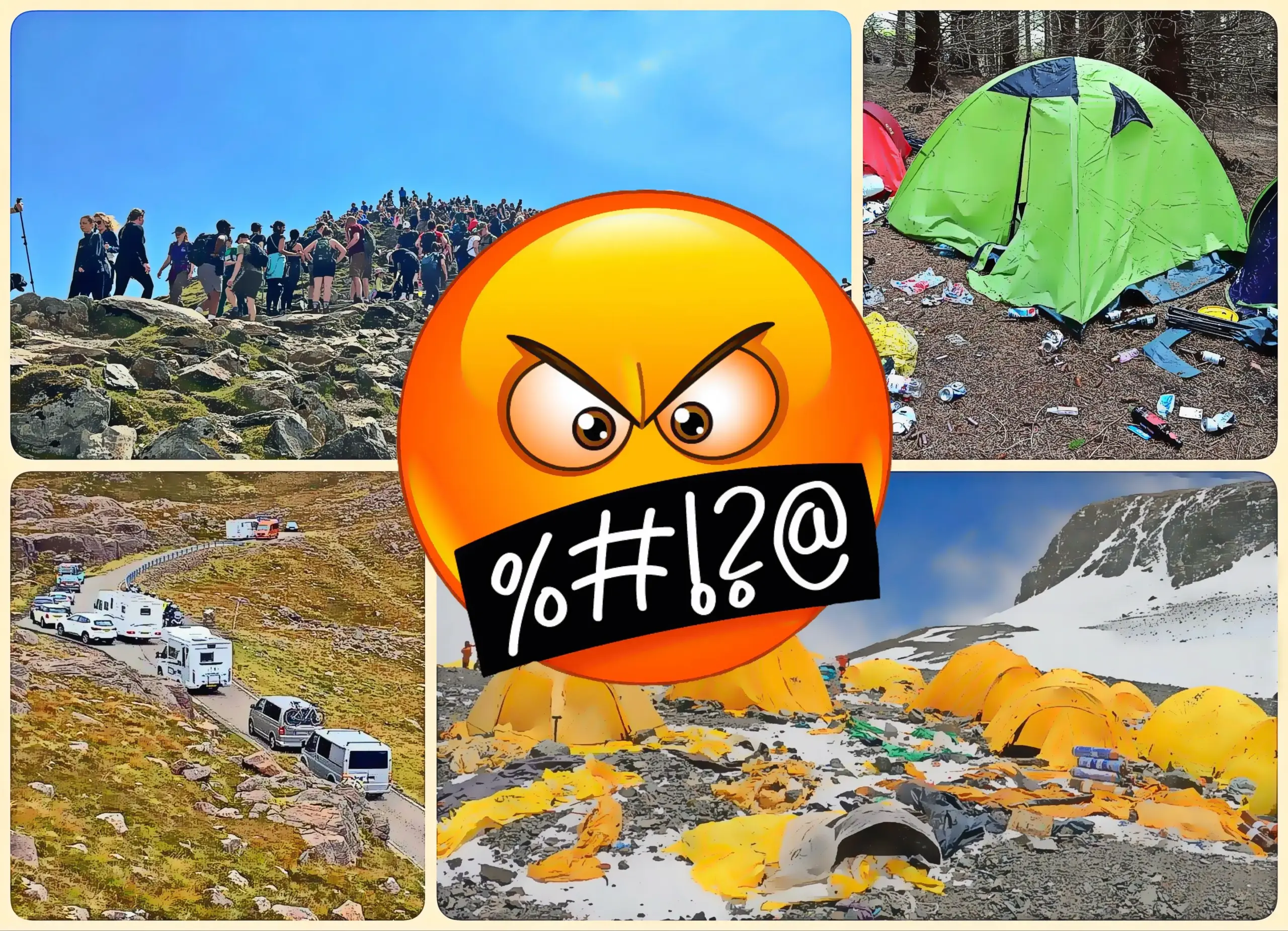
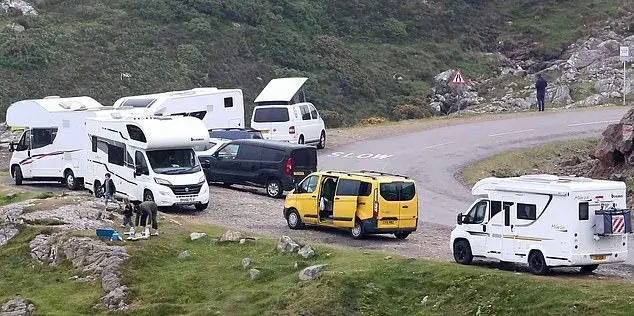
However, there is now a significant rise in community discontent due to the sheer volume of traffic, the problems associated with informal over-nighting in vehicles and the behaviours of many of these visitors. The NC500 has most certainly become a victim of its own success, much fuelled by media over-exposure.
Herd mentality
As with most burning issues that impact on the modern world, the nature of people is also at the heart.
In the main humans are social, tribal animals. The vast majority enjoy the comfort of being with others, most crave a sense of belonging and large numbers simply cannot cope with solitude. That is fine for them but those who enjoy or seek solitude are kind of f*!ked as a result.
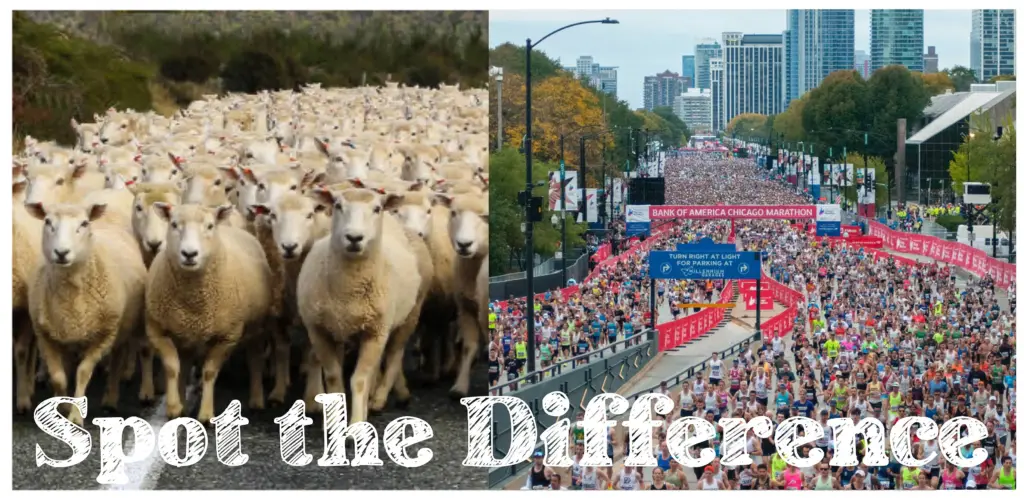
The problem is that most people not only want to go where others go, but they are happy being part of a large crowd when they get there. I don’t even think they see anything wrong with that. From a running perspective, the big city marathons are the perfect example. However, it impacts the outdoors in general. On the NC500 for example, people will happily crowd in groups, congesting parking areas with their vans.
The other example which recently brought this into focus for me is the bizarre queueing phenomenon at the summit of Yr Wyddfa (Snowdon) in Wales. On any given summer weekend or bank holiday, a long queue forms below the summit, many waiting patiently for significant time for the opportunity to seize their personal Instagram/Tik Tok moment at the top. Having been in North Wales in recent weeks, I was exposed to extensive media debate about the issue of queue-jumping. A couple of guys completing a long charity event/challenge had bypassed the queue to reach the summit and it caused a shitstorm of online debate. They received significant vitriol for their lack of manners and respect.
To be honest, I was stunned at the banal level of discussion and in my view, the majority completely missed the point. The issue isn’t about the decisions or actions of a couple of queue-jumpers. The issue is the astounding mentality of those who join the back of a queue because it is there, or who actually believe there is value in waiting in a queue in those circumstances. To be honest, I don’t really have much more respect for those who think it is acceptable to queue on Mount Everest. I find that just as laughable. If anything, I have less respect because they have paid tens of thousands of pounds and given weeks of time for the opportunity to stand in that queue. At least on Yr Wyddfa you don’t even need to bother your arse to walk up as you can get the train virtually all of the way.
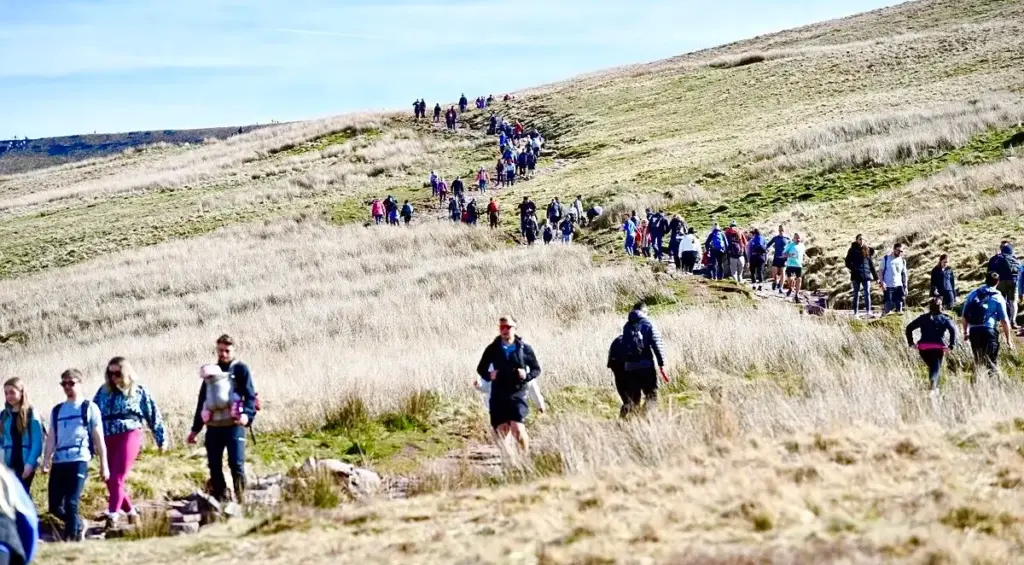
I once made the mistake of heading for the summit of Scafell Pike in the Lake District. I was completing a much longer round of the fells on both sides of the Langdale valley at the time. However, as I got within several hundred metres of the summit, I was engulfed in the crowds and guided groups converging from the more popular routes and I could see the crowd on the summit itself. I turned around and went back the way I had come and within 20 minutes, was alone on the summit of Bowfell, enjoying the experience entirely on my own.
For people like me, the herd mentality can be a blessing too. Because the majority herd together and lack the will, ambition or critical thinking to strike out on their own, this does still leave places where far fewer people go. If you are intent enough, it is still possible to find genuine solitude in the great outdoors if you go to the right places at the right time. Thus, in a kind of perverse way, I want the majority to continue to gravitate to the same crowded places. That leaves the quieter places for me and the few that share my way of thinking.
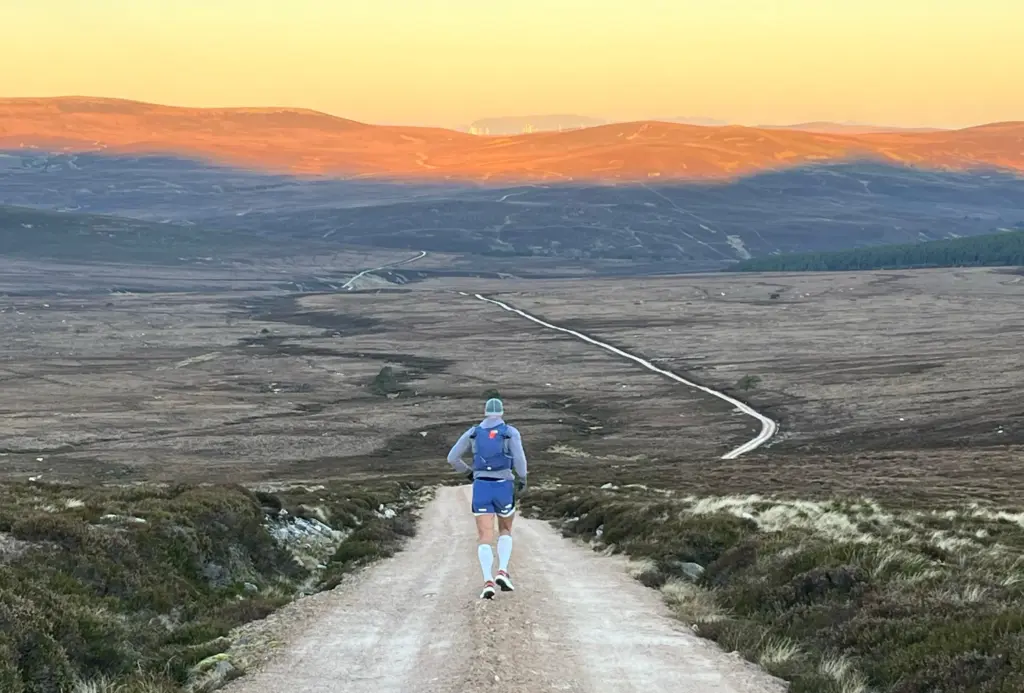
In some respects, it pains me that visitors to Scotland think that the West Highland Way represents the best of Scotland. Again though, this is people haplessly falling victim to peer and media hype. Perhaps a controversial view but, aside from the short section from Bridge of Orchy to Kinlochleven, I do not think that the WHW has much merit at all. I would attempt almost any other long-distance trail in Scotland before I would do the WHW. But, going back to my point, if hordes of visitors are confined to the WHW then they are not straying to other, finer areas of the country. That is a good thing.
I was annoyed recently when I saw an article in a very popular UK outdoors magazine. It also illustrates my earlier complaint about the media. The article was highlighting the increasing busyness of other areas in Scotland, from a hill-walking perspective. Obviously, the west coast, Skye and the Cairngorms were highlighted. The thrust of the article was to extol the virtues of Angus as a much quieter, unspoilt location. I believe the dreaded phrase “hidden gem” was used in the article.
If you have read much of my other material, if will be clear that I spend a lot of time running and fastpacking in the hills and glens of Angus. They are local to me, and I gravitate there because they are far less well trodden than other upland areas of the country. I have often completed rounds of 20 miles or more in the hills of Angus and encountered few or sometimes no other person on those routes. I have experienced greater solitude and sense of remoteness an hour or so from my house than I did in Kyrgyzstan. I do not exaggerate.
The hills and glens of Angus are most certainly hidden gems, and I want them to stay hidden for that exact reason. If you read that same article or have otherwise toyed with the idea of branching out and coming to the hills of Angus, I would personally and very selfishly prefer that you don’t.
Negative Behaviours
Herd mentality is not going to change and despite many of the points I have already made, I cannot in principle oppose the broad rights of people to access the outdoors, within the bounds of legislation of course. I say in principle because reality is almost always a different proposition and there are plenty of people who I firmly believe should stay at home or go and sit on a crowded beach abroad.
These people are those who treat the outdoors, local communities and the environment in general without the consideration and respect that they deserve.
Once again, various recent issues have brought this into sharp focus.
The most obvious problems are caused by those who deliberately damage or taint the natural environment. Litter and camping detritus are amongst the worst cases of this. It is also one of the main reasons why many countries simply don’t allow wild camping.
Examples can be found at the extremes, but Scotland is a great example. It is a number of years now since legislation had to be introduced to curb and control camping in the region of Loch Lomond and the Trossachs. Its proximity to the urban conurbations of the west of Scotland meant that it was easily accessed by throngs of arseholes who turned up in vehicles, encamped, got pissed and then left all their crap behind. Legislation has made a huge difference although there has since been an element of displacement. However, this is still a recurring issue across Scotland, particularly on summer and holiday weekends. Some of the carnage caused is a total disgrace, jail-worthy in some cases in my view. Unfortunately, accompanying a lot of this behaviour seems to be a sense of personal entitlement that beggars belief.
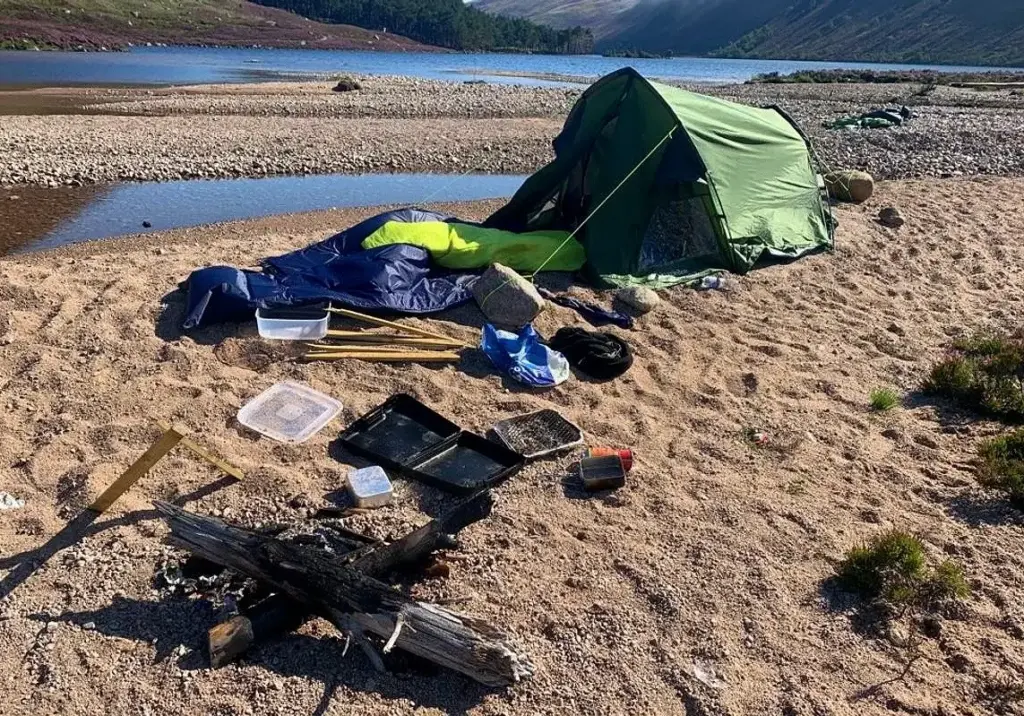
I have mentioned the NC500 and many of the issues arising that bother local communities are related to poor visitor behaviour. In the main, inconsiderate parking, rubbish, human waste, rudeness to locals and flaunting of legislation by way of encamping and lighting fires in road lay-bys etc. A couple of weeks ago, there was a piece in the media highlighting community complaints in Skye about visitors urinating in private gardens.
Many of the images and narrative arising from the recent climbing season on Everest caused me some disquiet. If you suspect that I have a thing about Everest, you would be right! Given that the Nepalese government imposed more stringent permit requirements on the mountain this year, nothing much seems to have changed for the better. Now, I do understand that mixed weather limited the number of summit windows but the queueing this year was simply at absurd and dangerous levels. However, the big thing for me is the rubbish tip that the mountain has become. This has been a problem for years of course but doesn’t seem to be improving and there are a number of alarming online images of the carnage at Camp 4 and other parts of the mountain.
If this happened on any mountain or hill almost anywhere else in the world, there would be outcry from the outdoor community and demands for action. It is all financially driven of course, but a disgrace nonetheless. Yes, programmes like the Sagarmatha Pollution Control Committee (Everest Rangers) and the ‘Carry Me Back’ scheme are trying to address the problem but for a while at least, it must seem a bit like pissing on a house fire. Personally, I would declare a total moratorium on climbing until the mountain and EBC are cleaned up and introduce firmer measures to prevent reoccurrence (strict ‘leave no trace’ etc), with significant financial penalties for non-compliance.
I also think that there need to be even stricter permit controls, not only on the numbers permitted to climb each year but on the qualifications of those that wish to climb. If one had to evidence a summit on at least one other 8,000 metre peak prior to attempting Everest, the numbers of climbers would plummet. However, so would revenue and therefore I hold out little hope.
Runners are not guilt-free either and despite the valiant efforts of most event organisers to stamp out littering, it still occurs.
Even trail and ultra running events are affected, I am disappointed to say. Many of us will have run events to see discarded gel packets or other rubbish thrown at the side of the route. Whilst this is far more prevalent at the more popular road races with large numbers of entrants, trail and ultra running are often not much better, which is very disappointing.
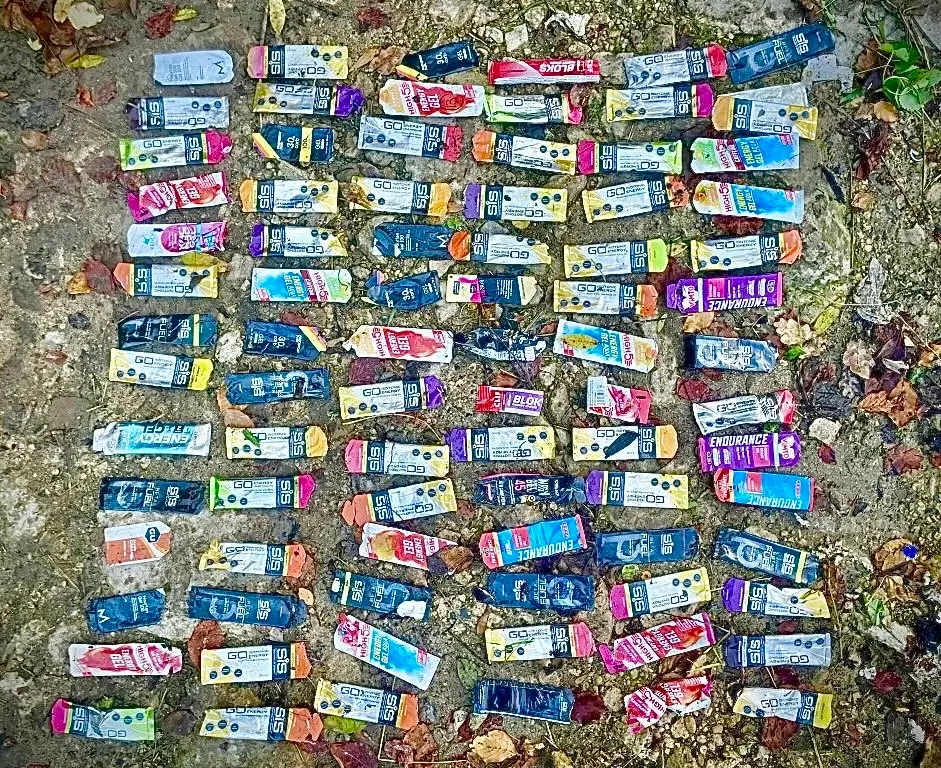
I think this is more the case at trail and ultra events that attract larger numbers and are often regarded as ‘gateway’ events into this niche of the sport. A year or two back, Stephen Cousins of YouTube’s FilmMyRun channel ran the Race to the Stones event, at the invite of the event organiser. In his film, he filmed and drew specific attention to the excessive amount of littering on the course. There is simply no excuse for this, and it brings down the sport generally as well as negatively impacting on event relationships with local communities and land users.
So, are the outdoors for everyone?
I think I have to state from the outset that as with many things, it is the actions of the few that spoil things for the many. However, I am not convinced that this is any strong indication of improvement. The few may still be the minority but as access improves and competition to exploit the outdoors for personal gain increases, the few are becoming much more numerous. As social media continues to allow any motivated individual to exploit the outdoors for their own pecuniary advantage, I have little hope that the tide will turn.
One of my overriding impressions is that there is an increasing air of entitlement with regard to the outdoors. More people need to recognise that ready access to the outdoors and our natural environment is not an entitlement. It is a privilege and as is always the case, the detrimental actions of the few have the ultimate effect of privileges being removed from the respectful many.
In recent days, there was much publicity over the closure of land at Burnsall Park in the Yorkshire Dales. The family who owned the land had allowed public access to riverside land for nearly 70 years. The family have cited antisocial behaviour, littering, water-related accidents and congestion as the primary reasons for withdrawing public access. There can be no better or more recent example of the withdrawal of privilege as a consequence of entitled and selfish behaviour.
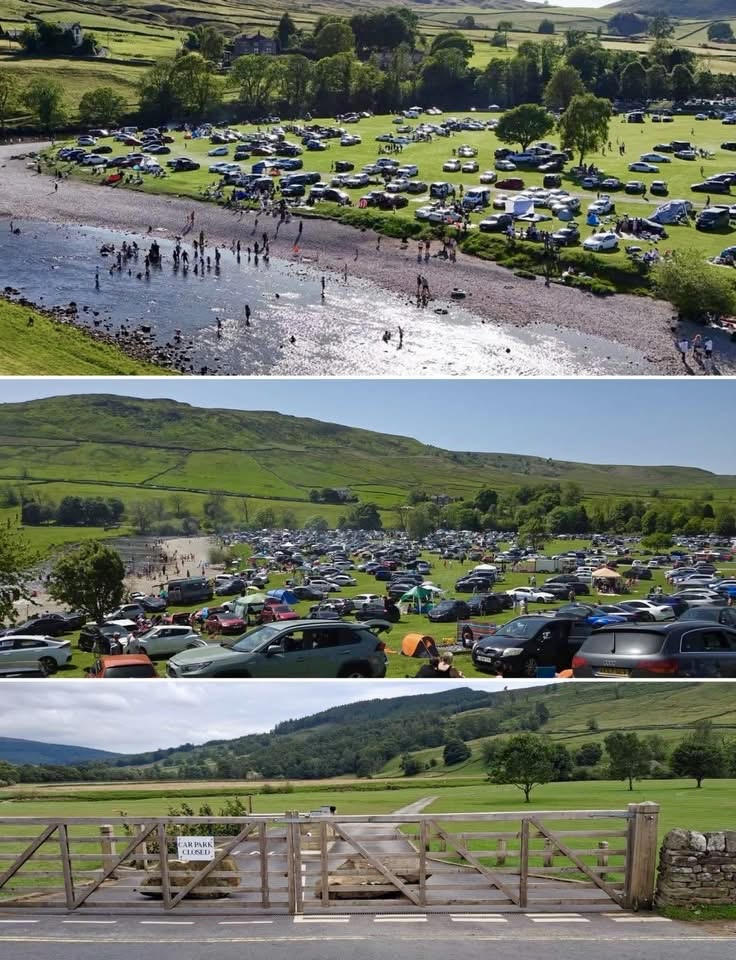
When action is taken or measures are put in place to address poor behaviour, there is invariably evidence of displacement of the problem. For me, that is an indicator that whilst controls and education do have some impact, there will always be a small core of degenerate and recalcitrant recidivists who simply have no place in the outdoors. Some even revel in their own baseness, using social media to ‘rage bait’ the respectful majority.
Herd mentality will always be a problem. It would be nice to think that people would police themselves by recognising when an area or place is being too heavily frequented. However, queuing on mountain summits and issues that came to a head at Burnsall park suggest that this level of awareness is a just a pipe dream. If that is the case, then measures by appropriate bodies to influence, control and curb visitor numbers will increasingly be required going forward.
I very much hope to be out running again soon, getting some time over the summer to train in some of my favourite places in Scotland. I hope not to see you there but if I do, I will say hello and pass the time of day.